Pre-Bid Meetings: The Complete Guide for Construction Contractors
Pre-bid meetings are one of the most valuable—and often underutilized—opportunities in the construction bidding process. These meetings provide direct access to project information, site conditions, and owner expectations that can make the difference between a winning bid and a costly mistake.
What Is a Pre-Bid Meeting?
A pre-bid meeting is a scheduled gathering where the project owner or their representative provides information about an upcoming construction project to interested contractors. These meetings typically include:
- Project overview and scope discussion
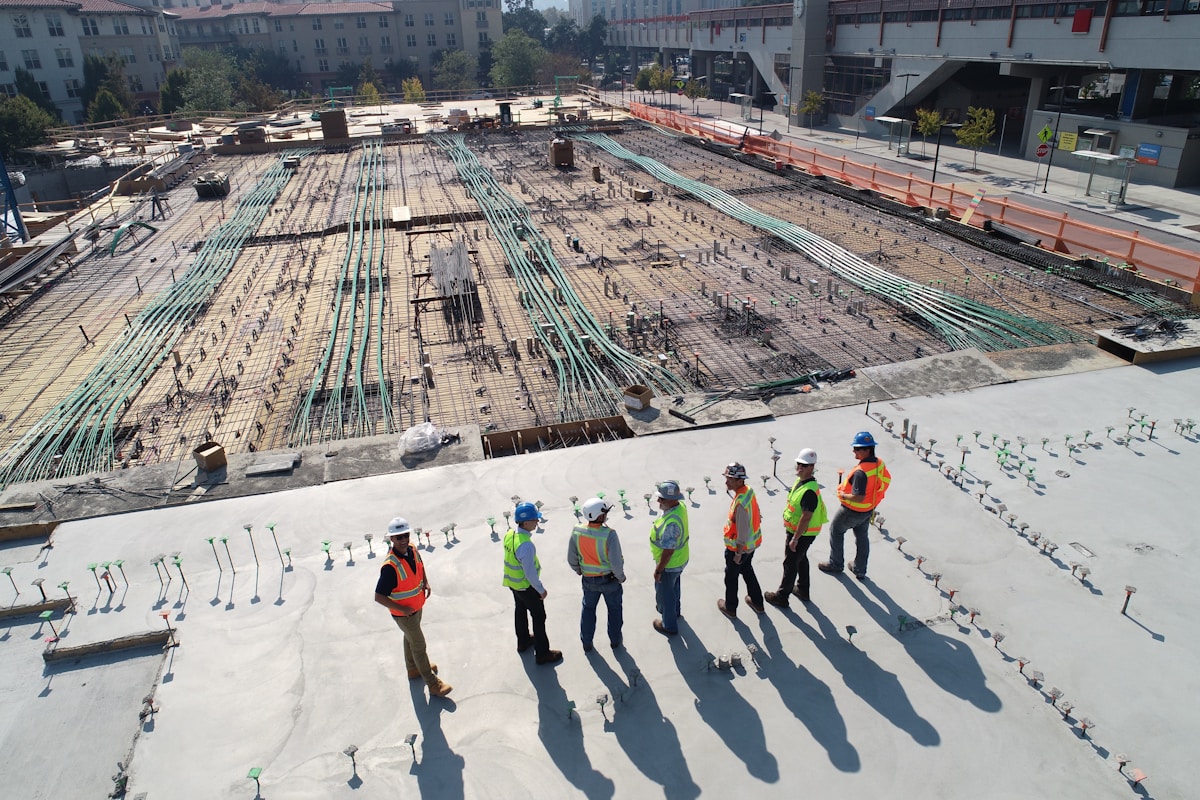
- Site tour or walkthrough
- Question and answer session
- Clarification of bid requirements
- Distribution of additional information
Types of Pre-Bid Meetings
Mandatory Pre-Bid Meetings
Some solicitations require attendance at pre-bid meetings. If you don't attend, your bid will be rejected regardless of price or qualifications. Always verify whether attendance is mandatory before deciding to skip.
Optional Pre-Bid Meetings
Even when attendance isn't required, participation provides valuable advantages. The contractors who attend often have significant information advantages over those who don't.
Virtual Pre-Bid Meetings
Since 2020, many agencies offer virtual pre-bid options. While convenient, these may not include site access—a critical component for accurate estimating.
Why Pre-Bid Meetings Matter
1. Site Condition Intelligence
Documents and drawings can only tell you so much. Site visits reveal:
- Actual access conditions and constraints
- Existing conditions that may differ from drawings
- Staging and laydown area possibilities
- Neighboring property considerations
- Traffic and logistics challenges
- Utility locations and conditions
2. Scope Clarification
Pre-bid meetings often reveal scope details not clear in documents:
- Owner priorities and concerns
- Phasing requirements
- Coordination with ongoing operations
- Quality expectations
- Timeline flexibility or constraints
3. Competitive Intelligence
Observing other attendees provides insights:
- Who else is bidding (and their likely approach)
- Subcontractor interest levels
- Market conditions for the project type
- Questions others ask (revealing their concerns)
4. Relationship Building
Meeting owner representatives face-to-face helps:
- Understand their communication style
- Demonstrate your professionalism and interest
- Ask follow-up questions more naturally
- Position yourself for future opportunities
Preparing for Pre-Bid Meetings
Before the Meeting
Review all bid documents thoroughly:
- Specifications
- Drawings
- General and special conditions
- Instructions to bidders
- Any issued addenda
Prepare specific questions:
- Unclear specifications or details
- Apparent conflicts in documents
- Allowance or alternate clarifications
- Schedule and phasing questions
- Site-specific concerns
Research the project and owner:
- Similar past projects by this owner
- Historical bid results if available
- Agency priorities and concerns
- Budget constraints or funding sources
Plan your site investigation:
- What areas need visual confirmation?
- What measurements or photos do you need?
- What existing conditions affect your work?
What to Bring
- Bid documents and drawings
- Prepared questions list
- Notebook and pen
- Camera (confirm photography is allowed)
- Measuring tools if needed
- Business cards
- Safety equipment for site visits (hard hat, safety vest, appropriate footwear)
During the Pre-Bid Meeting
Active Listening
The formal presentation often contains critical information:
- Owner priorities and concerns
- Schedule drivers and constraints
- Known challenges or risks
- Evaluation criteria emphasis
- Funding or budget context
Take detailed notes, especially on items not in written documents.
Strategic Questioning
Questions to ask publicly:
- Clarifications that benefit your bid regardless of who hears
- Requests for addenda on document errors or conflicts
- Schedule and phasing confirmation
- Submission requirement clarifications
Questions to save for private follow-up:
- Strategic approaches you're considering
- Alternate methods that might be advantageous
- Concerns that reveal your estimating approach
Site Visit Maximization
During site tours:
- Photograph everything allowed (verify first)
- Note conditions that differ from drawings
- Assess access routes for deliveries and equipment
- Evaluate existing conditions requiring protection
- Identify potential staging areas
- Look for hidden conditions or risks
- Talk to on-site personnel if appropriate
Networking Opportunities
Use breaks and informal time to:
- Connect with potential subcontractors
- Gauge competitor interest levels
- Build relationships with owner representatives
- Exchange information with other primes
After the Pre-Bid Meeting
Immediate Actions
- Organize your notes while details are fresh
- Review photographs and label them appropriately
- Submit formal questions through proper RFI channels
- Update your estimate with new information
- Brief your team on key findings
Incorporate Intelligence into Your Bid
Use meeting insights to:
- Adjust pricing based on actual site conditions
- Refine your approach and methodology
- Identify risks requiring contingency
- Strengthen your proposal narrative
- Anticipate evaluation criteria emphasis
Follow Up Appropriately
- Submit RFIs before the deadline
- Review issued addenda carefully
- Request clarification on unanswered questions
- Track responses to others' questions
Common Pre-Bid Meeting Mistakes
1. Not Attending Optional Meetings
Skipping optional meetings puts you at a disadvantage. The information gap can lead to:
- Missed scope items
- Underestimated site challenges
- Uncompetitive pricing
- Compliance issues
2. Asking Questions Without Preparation
Unprepared questions waste everyone's time and reflect poorly on your firm. Review documents thoroughly before attending.
3. Revealing Competitive Strategy
Avoid questions that telegraph your approach to competitors. Save strategic inquiries for private follow-up.
4. Neglecting Documentation
Memory fades quickly. Document everything systematically for reference during estimating.
5. Ignoring Networking Opportunities
Pre-bid meetings are valuable networking venues. Build relationships that benefit future opportunities.
6. Missing Mandatory Attendance
Verify attendance requirements before the meeting. Missing a mandatory session means automatic disqualification.
Virtual Pre-Bid Meeting Tips
When meetings are virtual:
- Test technology in advance
- Join early to address technical issues
- Use video to make personal connections
- Keep questions concise and clear
- Request site visit opportunities separately
- Follow up with additional questions via email
- Review any recorded sessions if available
Tracking Pre-Bid Meetings Across Multiple Opportunities
Managing pre-bid meetings becomes challenging when pursuing multiple opportunities simultaneously.
Essential tracking includes:
- Meeting dates, times, and locations
- Mandatory vs. optional status
- Registration deadlines
- Document review status
- Questions prepared
- Attendance confirmation
- Follow-up action items
A bid management platform helps consolidate this information across opportunities, ensuring you never miss a mandatory meeting or forget important follow-up tasks.
Making Pre-Bid Meetings Part of Your Process
Successful contractors treat pre-bid meetings as integral to their bidding process, not optional extras. Build systematic approaches:
- Calendar all meetings as soon as solicitations are identified
- Assign preparation responsibilities to team members
- Create standard question checklists for different project types
- Develop site visit protocols for consistent documentation
- Schedule debrief sessions to share insights with estimating teams
- Track attendance and outcomes to measure meeting value
Conclusion
Pre-bid meetings represent a significant opportunity to gain advantages in competitive bidding. Contractors who prepare thoroughly, participate actively, and systematically incorporate meeting insights into their bids consistently outperform those who treat these meetings casually.
The investment of a few hours in a pre-bid meeting can save thousands in avoided mistakes and improve win rates through better-informed bidding. Make pre-bid meeting attendance a priority in your business development strategy.
Streamline Your Pre-Bid Process
ConstructionBids.ai helps you track pre-bid meetings across all your opportunities in one place. Our platform automatically identifies mandatory meetings, sends reminders, and helps you manage follow-up tasks so nothing falls through the cracks.
Start your free trial to see how organized bid management improves your pre-bid preparation.